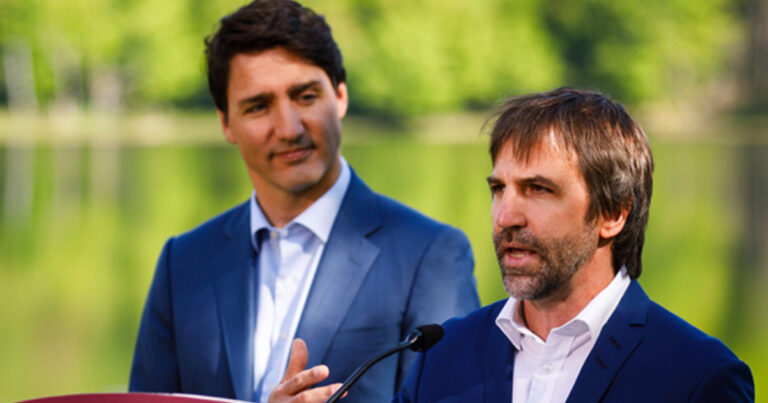
The latest round of negotiations for a United Nations treaty to curb plastic pollution took place in Ottawa this week, with advocates urging for a comprehensive and enforceable agreement to significantly reduce global plastic production and its environmental impact. Plastics scientist Chris DeArmitt of Phantom Plastics joined True North’s Andrew Lawton to push back against some of the underlying claims driving this initiative.
Majority of Canadians believe homeownership only for “the rich”: poll

The dream of homeownership is slipping further and further away for many Canadians.
A recent Ipsos poll shows that 80% now believe that owning a home in Canada is “only for the rich,” an increase of 11% since a similar poll conducted in March 2023.
These findings come as the Liberal government released its 2024 federal budget earlier this month, announcing $111.2 billion in new spending over the next five years, resulting in a $40 billion deficit with no strategy to balance the budget.
The budget, however, did not ease Canadians’ sentiment towards housing, despite the billions the Liberals pledged to throw towards housing.
The Ipsos poll, conducted a day or two after the budget’s release, showed that 23% of Canadians felt that the government is doing enough to address the housing affordability issue in Canada, a decrease of 4% since March 2023.
This number aligns closely with the mere 21% of Canadians who support the federal budget.
Ipsos’ recent poll mirrors a CIBC poll from earlier in April, where 76% of Canadians said that entry to the housing market felt out of reach.
Seventy-two percent of respondents said that they have given up on ever owning a home, an increase of 9% since March 2023.
True North previously reported on a similar poll conducted by Ipsos in 2022, where 63% of non-homeowners in Canada had given up on ever owning a home.
The numbers have worsened in every category year-over-year for Canadians, with less feeling secure in non-homeownership.
Seventy-one percent of Canadians said it is possible to be financially secure and not own a home, a decrease of 9% since March 2023.
True North previously reported that Prime Minister Justin Trudeau’s promise to build almost four million new homes by 2031 would require 1.096 houses built every minute in Canada. Canada would have to build 1.096 houses per minute for the next seven years without missing a minute.
The plan promised in the budget includes 2 million net new homes on top of the 1.87 million homes expected to be built by 2031.
Based on the current average of housing starts, the Liberals will fail to accomplish their initial goal of 1.87 million new homes to be built by 2031, let alone the 2 million new homes additionally promised.
Conservative leader Pierre Poilievre rebuked Trudeau’s promise.
“Everything he’s spending on has gotten worse. He promised that the deficits would make housing affordable, but it ended up doubling the cost of rent and mortgage payments and down payments to buy a house,” said Poilievre.
Based on Ipsos’ recent poll, 52% of Canadians expect that not enough housing will be built in Canada to keep up with demand, an increase of 16% since March 2023. Fifty-eight percent feel that average home prices will increase, rising 23% since March 2023.
The majority of Canadians feel that prices will increase, which may be the reason why so many Canadians don’t want to sell their homes.
Only 4% of Canadians said they were very likely to sell their home, with 12% saying they were somewhat likely. 84% of Canadians said they were not very or not at all likely to sell their homes.
As for the problems at the root of the housing crisis, many Canadians pointed towards the government’s record-high immigration levels. Fifty percent of Canadians feel that immigration will continue to drive high demand for real estate, an increase of 16% since March 2023.
True North previously reported 2.2 million people enter Canada per year, far more than the 500,000 permanent residents that many Canadians believe it to be.
Libyan refugee given probation for stabbing; judge cites trauma of growing up in war zone
A British Columbia court sentenced a 24-year-old refugee to probation and a suspended sentence on Wednesday over a violent stabbing incident in Vancouver last November.
Mohamed Abdalla Mohamed Elbahloul pleaded guilty to assault in connection with the stabbing and slashing of one man, and a minor charge related to the assault of another.
The incident occurred Nov. 6, 2021 in downtown Vancouver after a night of drinking.
According to court documents, Elbahloul became intoxicated during a night out with friends. An altercation erupted inside a club, spilling out onto the street.
Elbahloul was provided with a knife by one of his companions and used it to stab the victim’s stomach and then proceeded to also cut his legs. The victim required medical attention as a result of the fight.
Elbahloul also admitted to kicking another victim who was on the ground during the altercation.
Judge Kathryn Denhoff acknowledged the seriousness of the crimes but noted that neither victim provided an impact statement.
She also considered what she called the challenging circumstances of Elbahloul’s background.
Displaced by war in his home country of Libya at a young age, Elbahloul experienced significant violence and loss, Denhoff argued in her decision.
Denhoff highlighted Elbahloul’s efforts at rehabilitation since the incident. He has relocated to Victoria, secured stable employment, and reduced his alcohol consumption.
Additionally, he is enrolled in English language courses and aspires to attend business school.
The judge acknowledged Elbahloul’s remorse for his actions, while also mentioning how he has jeopardized his ability to remain in Canada.
Elbahloul’s status as a refugee could be revoked and deportation remains a possibility.
Recently, a Pakistani national narrowly avoided deportation due to a last-minute intervention by the Liberal government, despite participating in infrastructure blockades alongside climate extremist groups.
LAWTON: How October 7 changed Canada

Since the October 7 attacks on Israel, antisemitism has entrenched itself as a disturbing norm in Canada, often receiving tacit or even explicit support from political figures. Author and broadcaster Dahlia Kurtz joined True North’s Andrew Lawton to discuss the recent rise of antisemitism in Canada, and her new book “Dear Zionist, You Are Not Alone.”
Only 21% of Canadians support federal budget: poll
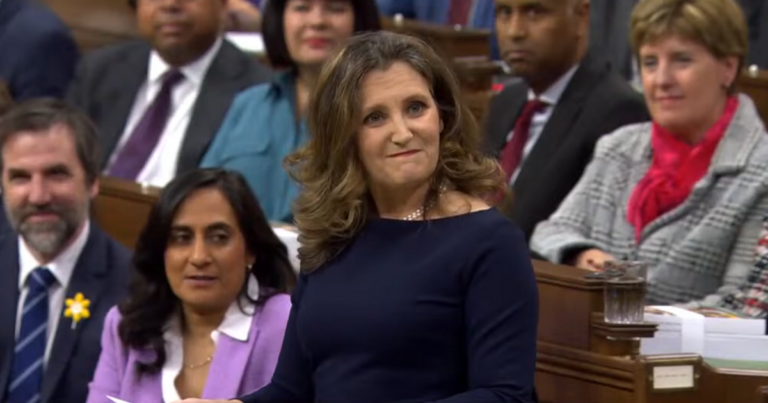
Even fewer Canadians have a positive outlook on the recently announced Liberal budget than Canadians who currently support the Liberals in federal polling.
While Liberal support has been hovering around 25%, only 21% of Canadians have a positive opinion of the budget, according to a new Leger poll.
The online survey, taken by over 1,500 Canadian adults between Apr. 19 and 21, showed that 49% of Canadians had a negative opinion of the budget released days before the poll.
Of those with a negative opinion, 25% have a very negative opinion of the budget, while 24% have a somewhat negative opinion.
The 2024 federal budget proposed $111.2 billion in new spending over the next five years and a $40 billion deficit, with no plan to balance the books.
Of the 21% of Canadians with a positive outlook on it, 3% have a very positive opinion, and 18% have a somewhat positive outlook. The remaining 30% didn’t know or preferred not to answer.
Despite more Canadians having a negative outlook on the budget than any other opinion, some parts of the budget were looked upon favourably.
All respondents were asked whether certain aspects of the budget were a good or bad thing for Canada and Canadians.
Nearly two-thirds of Canadians feel that the $8.5 billion investment in housing, with the objective of building 3.9 million homes in Canada by 2031, is a good thing for the country.
True North previously reported that the Liberals would have to build 1.096 homes a minute without missing a beat for the next seven years to meet this goal.
Almost as many, 64%, of Canadians agreed that a $900 million increase for greener homes and energy efficiency programs would benefit Canada and its residents.
Similarly, 58% felt a planned increase in military and defence spending over the next 20 years would benefit the country.
True North previously reported that Canada’s additional funding towards its revised defence policy prioritizes climate change and falls short of meeting NATO’s 2% GDP spending target.
Fifty-six percent of Canadians agreed with the capital gains tax increase, which the Liberals estimate will generate $19.4 billion over the next five years.
Thousands of Canadian CEOs and tech leaders penned a letter to Finance Minister Chrystia Freeland, urging her to halt the tax increase, which they said would result in entrepreneurs immigrating south of the border.
The techies were joined by the Canadian Medical Association, which warned the Liberals that the tax hike would exacerbate Canada’s already pressing issue of physician recruitment and retention.
53% of Canadians agreed that forgiving student loans for different types of health care and education workers would be positive for Canada and Canadians.
Despite Canadians agreeing with all five aspects, only 16% of respondents said that the Liberals should continue investing in different programs and initiatives even if it results in large future deficits. Meanwhile, 14% of Canadians said that the Liberals should increase taxes to reduce the size of deficits while spending on programs is maintained.
The largest portion of Canadians, more than double any other option, 47%, said that in the next five years, the Liberals should cut back on spending and cut various programs to return to a balanced budget as soon as possible.
The remaining 22% did not know or preferred not to answer about what the Liberals should do in the next five years.
Leger’s survey featured respondents from across the country, with the highest number of representatives in Ontario and Quebec — Canada’s two most populated provinces.
The survey respondents were almost evenly split between the two genders, and age groups were pretty evenly distributed amongst three categories (18-34, 35-54, 55+).
Man released on bail multiple times re-arrested for home invasion, carjacking

A Victoria, B.C. man repeatedly arrested after posting bail multiple times has once again been apprehended on home invasion and carjacking charges.
Seth Packer was arrested and released on bail three times in a row, according to the Victoria Police Department.
Packer’s latest arrest comes on the heels of a string of incidents, with each alleged offense occurring while he was out on bail for previous charges.
The sequence of events leading to Packer’s latest arrest unfolded Tuesday evening in the North Jubilee area of Victoria. Police responded to reports of a residential break-in and theft in progress.
According to authorities, a suspect was apprehended a short distance from the scene after being trailed by the occupant of the home he allegedly targeted.
Prior to this incident, Packer had already attracted the attention of law enforcement due to a series of alleged offenses. He was arrested Apr. 21 for attempting to steal an occupied vehicle on Shelbourne St.
The following day, Apr. 22, police allege Packer pushed a woman and stole her car on Johnson St., subsequently causing two motor vehicle collisions and attempting to steal another vehicle before fleeing on foot.
Despite being held in custody after his Apr. 22 arrest, Packer was released following a court appearance on Apr. 23, only to be apprehended again later that same day for the alleged home invasion and attempted carjacking.
Victoria police Chief Del Manak expressed concern over the pattern of offenses attributed to Packer, emphasizing the potential danger posed by repeat offenders to community safety.
“After the same individual caused two motor vehicle collisions, attempted to steal several vehicles and was successful on one of the attempts, and is now entering into peoples’ homes without consent, all in a matter of days, it is a miracle that no one has been seriously hurt or injured,” said Manak.
“Repeat offenders like this put a significant strain on our resources and pose a risk to community safety. We will continue to work within our means to prevent further harm to the public, which includes advocating for Mr. Packer to remain in custody. Ultimately, that decision is up to the courts.”
Packer is currently being held in custody pending his next court appearance.
LAWTON: Soldiers who refused Covid shots still face barriers to re-enrolment

The Department of National Defence recently confirmed that soldiers previously expelled for refusing COVID-19 vaccination can now re-enrol without a five-year waiting period, as the requirement was waived last November. Valour Law lawyer Catherine Christensen joined True North’s Andrew Lawton to highlight some of the barriers still facing soldiers hoping to re-enrol.
Ontario may prohibit employers from requiring doctor’s note for sick days
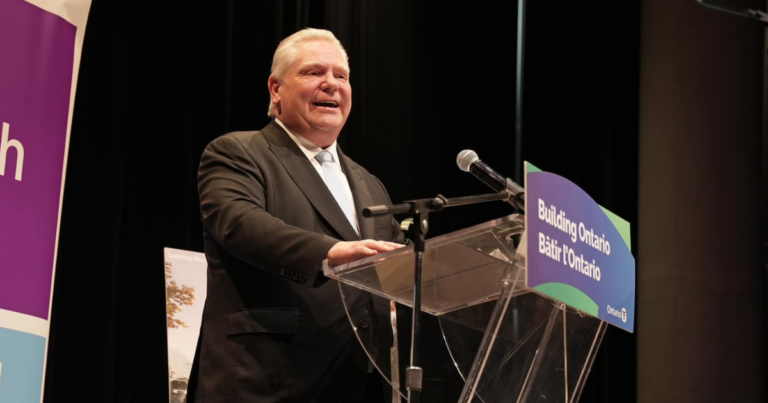
The Ontario government is considering barring employers from demanding medical notes from employees for sick days in an effort to free up family physicians to focus more time on patient care.
Health Minister Sylvia Jones said the government is looking at options to cut down on the amount of administrative work family physicians are currently required to do – including getting rid of fax machines by using more digital referral and consultation forms.
According to Jones, the Ministry of Health is looking to scrap sick notes by prohibiting employers from requiring them for employees to receive “job-protected sick leave.”
Sick notes would be replaced with attestations “that maintain accountability as employees request time off when they’re sick.”
Under Ontario’s current Employment Standards Act, employers are allowed to ask for a doctor’s note, or a medical note from a nurse practitioner or psychologist from employees who take sick days.
Legislation to prohibit employers from asking for a sick note will be tabled by the Minister of Labour to amend Ontario’s current labour laws.
Ontario NDP health critic France Gélinas voiced her support for the move.
“Sick notes have to go the way of the dinosaur — just ban them, they serve no purpose,” said Gélinas, according to Global News. “Let’s get rid of sick notes, they take up a lot of time from health care providers.”
However, physician and fellow with the Macdonald-Laurier Institute Dr. Shawn Whatley doesn’t see how this measure will have a great effect on freeing up doctors to see other patients.
As far as a doctor’s daily tasks go, Whatley, a former president of the Ontario Medical Association, said writing a sick note is among the easiest and least time consuming.
“When someone pops in for a sick note, it’s probably the easiest work you’ll do in your whole day. It’s like ‘yeah okay, here’s your note, see ya.’” Whatley told True North.
“It doesn’t take a tonne of resources and when people are truly sick, they’re going to be there regardless, so the sick note doesn’t add anything on top of that.”
Whatley wondered just what problem the Ontario government is trying to solve exactly – whether it’s about preventing people from going to the doctor when they don’t need or ensuring doctors aren’t billing OHIP for the notes, which are already supposed to be paid for by patients.
“Or is it a political problem?” asked Whatley. “Because it seems to be polling well with voters, so maybe that’s why the government has decided that’s what would solve the problem. So that’s the first question, ‘what is the problem exactly?”
Whatley said that once the problem is defined, the second question is how best do you solve that problem.
“You don’t solve implementation or service problems by passing laws,” Whatley said.
“Most other countries try to create incentives to change behaviour. If they have evidence showing that many people are blocking up a clinic schedule simply for sick notes and they all only take a few seconds to process then let’s have a discussion about that. But I’ve never seen that.”
The Ontario Medical Association does believe it to be a time consuming process however, saying that administrative work amounts to roughly 19 hours per week of a physician’s time.
“We estimate that four of these hours alone are spent on sick notes and government forms that doctors are asked to fill out every single day,” said OMA president Andrew Park, reported Global News.
According to Park, the OMA wants to see sick notes “eliminated completely,” a change that Park feels is only practical because “physicians cannot diagnose illness after the fact.”
The Alberta Roundup | Smith safeguards election integrity, bans tabulators
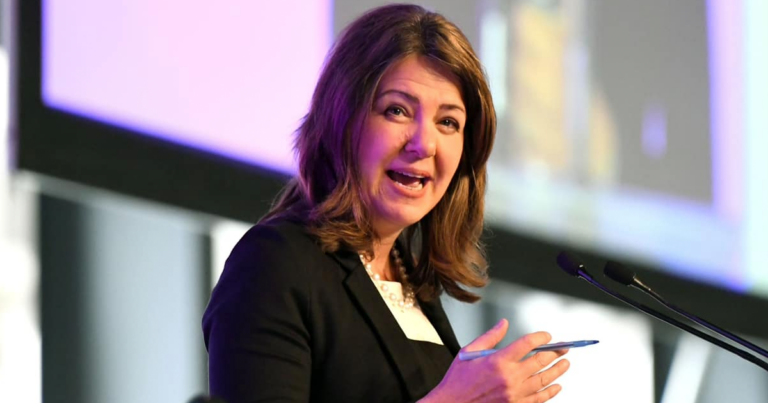
Today on the Alberta Roundup with Rachel Emmanuel, Rachel explains why Alberta Premier Danielle Smith is correct to ban electronic tabulators in provincial and municipal elections. Rachel also has some updates about changes in the healthcare sector, and the results of the Red Deer byelection.
Also on the show, Calgary Mayor Jyoti Gondek is once again embroiled in controversy and she advocates for lifetime renting while owning two homes. Calgary council is likewise under fire as they seek mass rezoning across the city.
Finally, Rachel has some positive news about an ongoing review of Covid-19 data.
Tune into the Alberta Roundup now!
SUBSCRIBE TO THE ALBERTA ROUNDUP
LAWTON: Honda gets billions in public funds to expand EV production

Earlier this week, Honda unveiled plans for an electric vehicle battery plant beside its Alliston assembly facility in Ontario, as part of a $15 billion project involving up to $5 billion in public funds provided by the federal and provincial governments. Macdonald-Laurier Institute domestic policy director Aaron Wudrick joined True North’s Andrew Lawton to discuss.