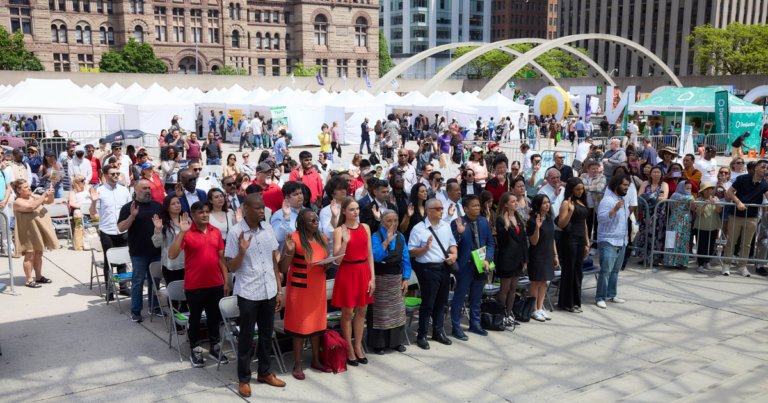
65% of Canadians say there are “too many” immigrants: poll

The majority of Canadians think that there are “too many” immigrants in Canada, according to a new Leger poll, a sentiment that has steadily been on the rise since 2019.

The Leger survey published on Wednesday was conducted for the Association of Canadians Studies and revealed a rather dramatic national consensus on the issue.

While just over a fifth of respondents said that they thought Canada’s immigration levels  were “about the right number,” and around 2% there were  “too few” immigrants, 65% said there are too many.

“The rise in the extent to which Canadians believe that there are too many immigrants is continuing and has yet again reached a new height,” chief executive of the ACS Jack Jedwab told the National Post. 

“Virtually no one in Canada currently thinks that there are too few immigrants.”

He went on to say that the findings were unsurprising, given that all recent polling has revealed a persistent and growing dissatisfaction among Canadians on the Trudeau government’s immigration targets. 

Leger conducted a similar poll in 2019 which found just 35% of Canadians thought there were “too many” immigrants, while 49% thought it was “about the right number.”

However, Canadian sentiment has undergone a major transformation over the last five years, with 49% of respondents saying there were “too many” last year, which ticked up to 50% in February before jumping up to 60% in July. 

That sentiment is presently felt highest in rural communities at 69.4%, while 62.9% of those living in urban areas share that assertion.

Men are slightly more likely to feel that way than women, at 43% and 38%, respectively. 

“There is a growing national consensus that there are too many immigrants that transcends the presence of newcomers in your community and most demographic factors, including whether or not you identify with an ethnic or racialized group,” said Jedwab.

In terms of respondent’s ethnicity, those who identified as white were more likely to have a positive view of immigration at 51%, compared to those who identified as a minority at 48%. 

“What’s different in this survey is that negative sentiment towards immigrants is noticeably on the rise and has also reached levels not seen in the last two decades,” said Jedwab.

Respondent’s socioeconomic status was likely to influence some in their perception of immigration policy, with the cohort most opposed to high levels of immigration also being the lowest earning. 

Nearly half, 47%, of respondents who made under $40,000 a year were opposed. 

Those who earned $40,000 to $59,000 expressed the lowest level of disapproval at 36%, however, making the correlation less obvious as respondents making between $80,000 and $99,000 were the second most opposed at 46%.

According to Jedwab, while socioeconomic factors play a role, they can’t be the sole reason attributed to the anti-immigration narrative gaining momentum. 

He noted that global instability should also be considered and the strains which can accompany a multicultural society. 

“Economics is driving most of the concern,” he said. “The tone of immigration debates outside of Canada is influencing sentiment here as is global instability and its impact on domestic relations between various communities.”
The Daily Brief | Stalemate in British Columbia

Voters in British Columbia went to the polls on Saturday but the election is too close to call as the NDP and Conservatives are neck-and-neck.

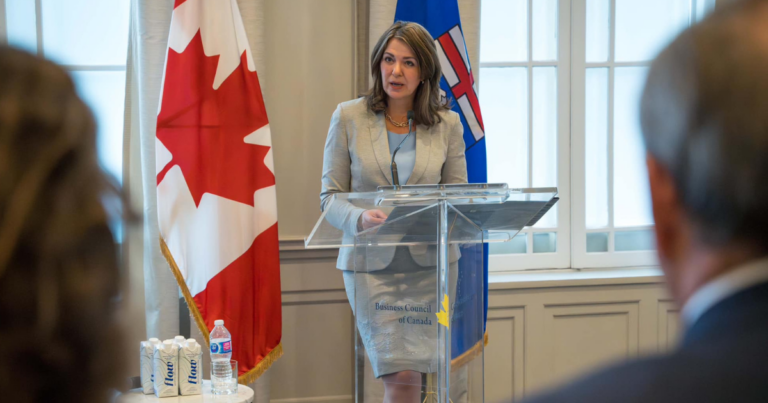
Plus, a True North exclusive reveals Danielle Smith’s former campaign manager is organizing “two thousand Muslims” to support the premier at the upcoming AGM.

And police arrest two in connection with a shooting at a Jewish Girls’ elementary school in Toronto.

Tune into The Daily Brief with Lindsay Shepherd and Isaac Lamoureux!

LEVY: Dunlop fails to see how deep the rot goes in the TDSB

It’s hard to believe there can be an Ontario education minister more disconnected with the reality of what is happening in the province’s classrooms, more uninformed about those who have made racism an industry and more tone-deaf than Stephen Lecce.

But new education minister Jill Dunlop appears to be just that person.

Faced with a genuine opportunity to reform the DEI-induced toxicity at the Toronto District School Board and the pervasive anti-Semitism in far too many Toronto schools, she instead announced that the man who has been a huge part of the problem, race advocate Patrick Case, would be the one to conduct a review of the board’s field trip policies.

This comes in the wake of what was supposed to be an Indigenous field trip on Sept. 18. It was sold to parents as an excursion to bring to light the mercury poisoning on Grassy Narrows community. But students from 15 schools were pressured to march and chant, “From Turtle Island to Palestine, occupation is a crime.”

Some students came home with “Zionist Kills” stickers. 

No teachers were disciplined and trustees begrudgingly agreed to the ministry review at a special meeting at the end of September.

Perhaps Dunlop was given the recommendation to hire him by those incompetent educrats from the Wynne era who only care about self-preservation.

In all my years in journalism, I’ve never seen a system more prone to recycling into well-paying jobs the same names, the same deadwood, the same toxic educrats that have messed up the system in the first place.

Or maybe Dunlop was instructed by her weak-willed Premier to merely go through the motions of a review—just like what happened with the review/non review of the circumstances leading to the tragic death of much-loved TDSB principal Richard Bilkszto.

Sadly, it shows that the rot does indeed go deep.

My goodness, the terrible results from their own standardized math, literacy and reading tests should show Doug Ford and Dunlop there’s a problem.

I can’t think of a worse fit than Patrick Case — not just for the Jewish students and teachers in the system but for any hope of tackling the toxic impact of DEI.

Case was one of the Kathleen Wynne leftovers who landed up as assistant deputy minister in the ministry’s new equity secretariat in 2017.

He should have been cleaned out, along with the overpaid equity policy advisors, who populate two equity units.

Case – who lists critical race theory as one of his research interests — was charged with implementing a new education ministry equity action plan when he came to the ministry.

In that role, he helped introduce critical race theory and DEI ideology into the Ontario curriculum, destreamed Grade 9, dumbed down the curriculum and removed suspensions and expulsions for violent and badly behaved students — all because racialized students were subjected to the most discipline.

Case has close ties to TDSB education director Colleen Russell-Rawlins, who officially retires from the TDSB next month. She turned the board into a toxic mess, according to many teachers and principals I’ve interviewed over the past year. 

She signed off on the hiring of Kike Ojo-Thompson, the race activist who – according to tapes of the sessions – bullied and intimidated Bilkzsto during two anti-racism sessions in the spring of 2021. 

Bilkzsto took his own life a year ago, a victim his lawyer says of the bullying and the subsequent ostracization by Russell-Rawlins’ anti-racism lieutenants.

Case, who made $200,000 in 2023, endorsed a Russell-Rawlins vanity project — a Centre for Black Student Achievement.

Under Russell-Rawlins, that centre absorbed millions and millions of dollars and offered black students – only – select opportunities for mentoring and coaching.

He left the ministry in January of this year to become a Human Rights Defender.

But that was not before he likely swayed ministry officials from conducting a much-needed review of the Bilkszto tragedy with a three-page briefing note extolling the virtues of anti-racism and DEI training.

I recently reported on that briefing note, which was contained in a 120-page FOI response showing the education ministry’s alleged review of the Bilkszto tragedy was a huge sham and a year-long Ministry circle jerk.

With a resume like Case’s, I’m guessing that his review will be highly sympathetic to the alleged “oppressed” in the board and either whitewash or sanction the hateful protests against the alleged “oppressors” * (the privileged) Jews.

I predict he will not suggest anything to make classrooms safer, since his equity plan made them unsafe in the first place.

He will not condone political protest or the worst anti-Semitic offenders in TDSB classrooms because ideologically he likely agrees with them.

Besides, there’s just far too much incestuousness between the school board, the teachers’ unions and people like Case.

If Dunlop truly meant what she said about stopping publicly funded schools from being used as vehicles of political protest, she would have appointed an independent reviewer – not someone strongly vested in maintaining the status quo.

Perhaps the lazy media is fooled as they appeared to be when the announcement was made.

I am not fooled.

Parents are not fooled.

The Jewish community is not fooled.

Teachers who just want to do their jobs free of politics and toxicity are not fooled.

Perhaps parents will need to consider a class action lawsuit against the TDSB.

It may be the only way they can get satisfaction and tell the education ministry that they mean business.

OP-ED: When will Smith deliver real change for parents?

As the United Conservative Party’s Annual General Meeting approaches on November 2, members are once again bracing for what may feel like an all-too-familiar cycle of debate, voting, and disappointment. Despite the buzz surrounding controversial resolutions, the truth is that members’ votes may not carry the weight they expect, nor the impact their opponents fear.

Despite their name, policy “resolutions” are non-binding. Take Resolution 206.5b, for example. UCP members overwhelmingly voted for the Alberta government to protect children by requiring parental consent for all invasive medical procedures on minors, barring emergencies or judicial intervention. The intent was crystal clear: parents, not bureaucrats, should make decisions for their children when it comes to serious medical interventions.

Fast forward to today, and what’s been done? Thankfully, Premier Danielle Smith has taken a good first step on this critical issue, addressing the specific case of gender-related procedures for transgender minors. However, her approach seems more about navigating the highly charged debate over the trans community than truly standing up for broader parental rights.

Smith has shown a selective approach to addressing parental rights, focusing almost exclusively on gender-related medical procedures. While important, this narrow focus leaves broader parental rights issues unaddressed and highlights her reluctance to champion the cause comprehensively.

Smith has spoken about the need for parents to be informed and involved when their children seek gender-related medical interventions. While this message has resonated with party members and Albertans alike, it has also exposed the limits of her willingness to take a firm stance on parental rights across the board. Her focus on this specific issue, while crucial, appears more driven by the controversy surrounding the trans community than by a genuine commitment to parental authority in all aspects of children’s medical care. Unfortunately, it also leaves her open to accusations that her policy “targets” trans kids unfairly.

While cautious, Smith has made strides in addressing UCP members’ concerns regarding gender-related procedures. However, there is a growing sense within the party that broader parental rights need to be prioritized. The longer these issues remain unresolved, the more frustration will build among UCP members seeking more decisive action. For parents who believe they should play a guiding role in their children’s significant medical decisions, the limited focus on gender-related matters feels insufficient.

The issue of abortion stands as perhaps the most glaring example of this inconsistency. In Alberta, a minor can undergo an abortion—a serious, irreversible, and elective procedure—without even notifying her parents. Meanwhile, the same minor needs parental consent for far less serious medical matters, like getting a vaccine or even a routine dental procedure. This means that while parents are required to give consent for far less serious medical procedures, they are kept in the dark on a life-altering decision like abortion. The inconsistency is outrageous, and Smith’s government has done nothing thus far to address this gross double standard.

Even with Smith at the helm, Albertans remain subject to NDP-era abortion “bubble-zone” policies. These policies, which remain in place under Smiths leadership, prohibit Albertans from opposing the killing of children before birth outside abortion facilities. At the same time, they are forced to pay for the terminations performed there—including those performed on minors without parents’ knowledge.

The opportunity is there for Smith to broaden her approach and address the full range of parental rights issues, including parental notification for minors seeking abortions and other significant medical interventions. By doing so, her government can align itself more closely with the values expressed by the party membership (and most Albertans, in fact), while simultaneously preventing even the perception that her policies unfairly target trans youth. It’s time for the government to go beyond largely symbolic gestures and deliver real change for parents across the province.

Richard Dur is an award-winning political consultant with extensive experience working on campaigns across Canada. In addition to his professional work, he serves as the volunteer Executive Director of Prolife Alberta, an organization dedicated to advancing pro-life public policy in the province. 

BC election ends in stalemate between NDP and Conservatives as parties await recount

In an unprecedented turn of events, the British Columbia provincial election has culminated in a dramatic stalemate. 

The New Democratic Party and the BC Conservatives remain locked in a fierce battle for control of the legislature, with neither party able to claim a decisive majority as Elections BC continues to tabulate the final results. 

By the end of the night, the Conservatives had the advantage in 45 seats while the BC NDP were ahead in 46. A party would need 47 seats to declare a majority government.

Several key ridings have margins between the two parties under 1% including Juan de Fuca Malahat, Surrey-Guildford, Kelowna-Centre and Courtenay-Comox. 

The BC Greens, won two crucial seats, emerging as potential power brokers in forming a government for the BC NDP. However, Green Party leader Sonia Furstenau lost re-election in the riding of Victoria–Beacon Hill.

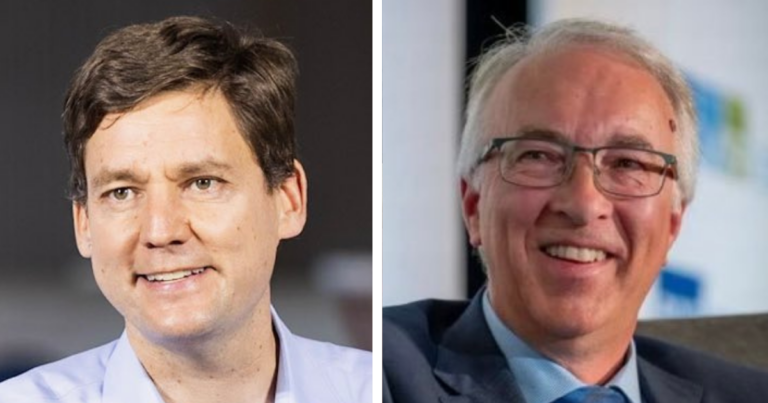
David Eby of the NDP and John Rustad of the Conservatives, while holding onto their own seats, could not declare victory by Saturday night. 

The Conservatives, revitalized under Rustad’s leadership, have achieved a significant breakthrough, securing their first substantial legislative representation in decades and are within reach of forming government for the first time in nearly 100 years. 

Election day had much of British Columbia facing severe weather conditions impacting several polling locations and possibly influencing voter turnout.

Despite this, the 2024 election saw a record-breaking number of early ballots cast. 

Elections BC has said that final results would be reported by Oct. 26th after mail-in ballots are counted and recounts are factored in.

PARKER: Will Trudeau go down with his carbon tax?

A new Parliamentary Budget Officer report confirms that Canadian households are paying more in federal fuel charges and related taxes than they receive back through rebates. Canadian Taxpayers Federation federal director Franco Terrazzano joined True North’s Rachel Parker to analyze the report’s findings and discuss how this growing burden has become a major political liability for Trudeau’s government.

Jordan Peterson denies Trudeau’s claim that he is funded by Russia, considers legal action

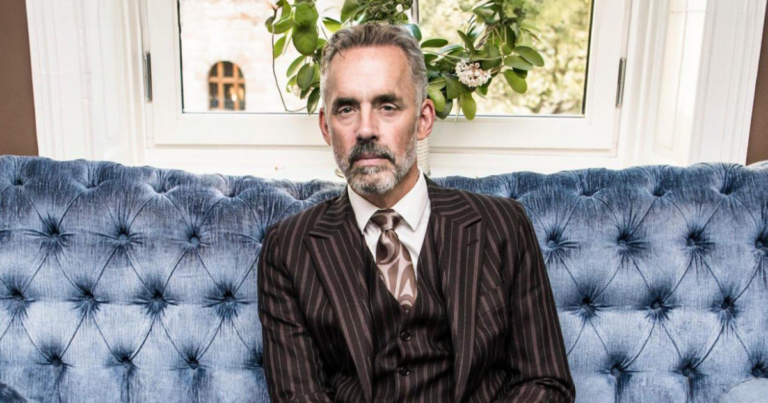
Famed psychologist and political commentator Dr. Jordan Peterson is pushing back against Prime Minister Justin Trudeau’s unsubstantiated claim that he has received funding from the Russian propaganda outlet Russia Today (RT).

Peterson said he is considering taking legal action against the Prime Minister for defaming him, despite the burdensome process that filing a lawsuit requires.

On Wednesday, Trudeau appeared before the foreign interference inquiry chaired by Justice Marie-Josée Hogue to testify about ongoing foreign interference in Canada’s democratic institutions.

When asked about the role of Russian disinformation in fuelling anti-vaccine sentiment and support for the Freedom Convoy, Trudeau claimed that influencers like Jordan Peterson and Tucker Carlson had been given money by RT to promote Russia’s agenda, alluding to a recent US Department of Justice indictment which implicated the conservative media company Tenet Media.

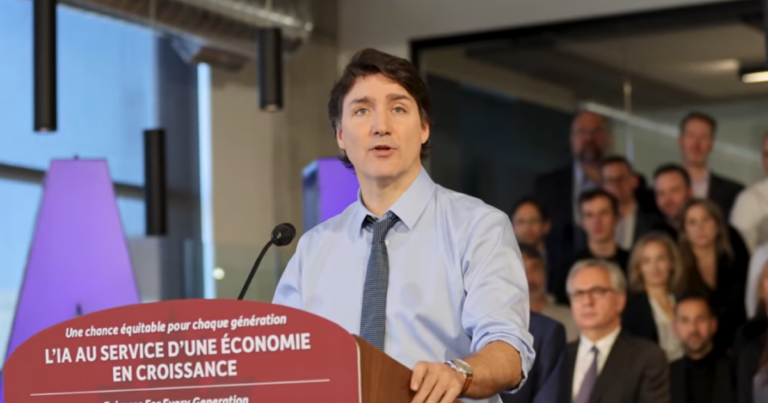
“We’ve recently seen that RT is currently funding bloggers and other YouTube personalities of the right, such as Jordan Peterson, other names that are well known, Tucker Carlson as well, to amplify messages that are destabilizing democracies,” said Trudeau. 

However, neither Peterson nor Tucker were named in the indictment, and Trudeau did not provide additional evidence to substantiate his claim.

In response, Peterson told the National Post that Trudeau made a false allegation against him, and that the prime minister should have done his “bloody homework.”

“It’s a very serious accusation. You should have done your bloody homework and if you’re going to make accusations, you should have at least got them right. I don’t think it’s reasonable for the prime minister of the country to basically label me a traitor and I don’t find it amusing,” said Peterson.

“How I got dragged into this, I don’t know, because I haven’t been implicated in that even peripherally, but I don’t think Trudeau is informed enough to understand what the hell’s going on, period, but certainly not in the broader social media space.”

Peterson said that he is looking into possibly suing Trudeau for defamation, though he believes that such a lawsuit would be a “losing game.”

“I know what lawsuits are like and they’re a pain, and I’m not interested in being burdened down with that sort of pain, practically speaking. But by the same token, how about you don’t defame me when you’re the prime minister, especially stupidly,” said Peterson.

“I’ve been talking to my family about (whether) I have a moral obligation to go after him for defamation. He’s not like my neighbour, he’s the prime minister.”

True North reached out to the Prime Minister’s Office for comment, though no response was given.

In a follow-up to the release of his interview with the National Post, Peterson mockingly tweeted at Trudeau with a photoshopped image of him wearing a Russian-style hat while jokingly thanking Vladimir Putin for sending the gift.

Peterson also suggested that Trudeau made the erroneous claim against him in an attempt to distract from MPs in his own party who had participated in foreign interference campaigns.

“Maybe it’s just me But Looks like perhaps Justin baby Identified me as a Russian agent To take the heat off himself and the Canadian @liberal_party Who continue to refuse to release The names of the MPs among them Accused of conniving with You guessed it Foreign agents,” said Peterson.

OP-ED: Is pot really as harmless as people think?

Pot use is degenerate and it poses a risk to your health. Here’s why. 

Recently, the New York Times published an expose on the more sinister health effects of regular marijuana use. One of these is called cannabinoid hyperemesis syndrome (CHS)—basically severe nausea and vomiting, leading to kidney and heart failure. It’s curable if marijuana use ceases, but apparently one third of regular users have some form of this syndrome. There’s another problem called ‘cannabis use disorder’ which describes continued use after adverse effects, and is eerily similar to alcoholism.

Like those of any other drug, the effects of cannabis vary from person to person. A problem like CHS can go away, but a genetic predisposition to addiction, psychosis, or mood disorders will not. Cannabis can aggravate or awaken such problems with life-long effects. Long-term cannabis use increases the risk of testicular cancer in men by 50%, and recreational use lowers sperm count. Tetrahydrocannabinol or THC (the psychoactive element in cannabis that gets you high)  is stored in the fat cells; and so prolonged cannabis use is correlated to infertility in women as it “disrupts the normal ovulation cycle”. The National Institute of Health in America has also noted higher instances of women giving birth to babies with Down Syndrome in Canada in comparison with non-weed smoking countries. And there is evidence that cannabis can even cause epigenetic changes, which means altering whether and how genes are expressed within the human body. Such changes have been linked to schizophrenia and bipolar disorder.

The mental health angle here is perhaps the most concerning. About 40% of Millennials in the West suffer from mental health disorders like depression and suicidal ideation. Gen-Z is doing no better. And yet, recent research shows that marijuana use among young people is rampant, and has been getting worse since the pandemic. Gen-Z is practically an entire generation of stoners. And while some say cannabis “takes the edge off,” higher doses increase paranoia and panic

But we’re not talking about your grandfather’s cannabis here. The hippies of old smoked marijuana cigarettes that were between 3 and 5 percent THC. But now, some of the genetically modified cannabis products available in Canada are as potent as 90% THC. The risks associated with medical and recreational marijuana use may vary considerably depending on its potency. But our acceptance of its use clearly does not. Varying potency seems to have no effect on society’s view that marijuana in general is basically the new alcohol.

This state of affairs cannot possibly be good. And I suspect that we’ll soon regret legalizing cannabis in Canada. Since 2018, it has been legal for an adult Canadian to have up to 30 grams of Marijuana —  enough for 30-60 marijuana joints, depending on the size and admixture of tobacco — and since 2019, it has been legal to possess anywhere from 3 to 12 edibles, depending on its potency. Some observers assumed Trudeau hoped to win the youth vote. Others (including the Liberal Party itself) said it was to minimize the cost of drug enforcement. This may well have worked. In Canada, illegal purchase of THC products has dwindled since legalization in 2018 — though this was not the case in California where the black market for marijuana grow-ops accounts for 75% of sales. But whatever we’ve saved in law-enforcement costs will probably be offset by expenditure on health care. 

From a user’s standpoint, some wonder whether legalization has improved weed’s reputation. Most Canadians who smoked up before it was legal had no problem lighting a joint in the streets in broad daylight. Canadians have always had a relaxed attitude toward cannabis use. Just look to Toronto’s national marijuana day of celebration on April 20th in Queen’s Park before legalization. An entire park, surrounded by law enforcement, chalk full of people smoking bong, pipes, and blunts with impunity. 

But what if the reason for legalizing pot was actually fundamentally different? I can’t help but think of alcohol in the former Soviet Union. There, booze was cheap and widely available. Men overindulged in huge numbers as a method of numbing their senses and avoiding seeing totalitarian cruelty with clear eyes. When Gorbachev’s government tried to intervene with an anti-alcohol campaign in the late 1980s, it was far too late. Alcoholism in Putin’s Russia is once again rising, and this doesn’t bode well for the future of that regime.

Is weed a similar ‘cope’ for Canadians? If so, then we have far greater social and political problems than most people would be prepared to admit. Doing drugs regularly has become normal and that’s a mistake. Perhaps it’s a sign of the discontent of a nation. Perhaps it’s time to put down the pipe and clear out the smoke of self-deception about cannabis. Perhaps it’s time to embrace reality with a sober mind. 

Alexandra Jackson-Bonner is a mother of 3. Having graduated with honors from philosophy at the UofT, she is now completing her Masters in Theology. In her free time, she loves to be in the kitchen with her kids and sell real estate.

Prince Albert, Sask. reports highest levels of meth in wastewater: StatsCan

A small Saskatchewan city is reporting a high level of methamphetamine concentrations in its wastewater, based on a per capita wastewater analysis conducted by Statistics Canada between 2022 and 2023.

The City of Prince Albert contained more traces of meth per capita in its wastewater between  March 2022 and May 2023 than any other city in the county, and by a long shot, noted the agency.

Researchers discovered anywhere from 935 to 2,406 milligrams of meth per 1,000 people per day in Prince Albert’s sewage. 

“Drug use in Canada has become a significant public health concern, with opioid use, addiction, and resulting deaths standing out as particularly pressing issues,” reads the Statistics Canada report. 

“In the context of the ongoing opioid crisis in many parts of Canada, wastewater data can provide information to contribute to a better understanding of current drug use and emerging trends.” 

Saskatoon had the next highest levels, which ranged from 586 to 1,147 milligrams per 1,000 people daily, with those samples collected from August 2022 to November 2023. 

The study was called “Levels of Drugs in the Wastewater of Canadian Cities” and it tested the effluent for traces of 10 different drugs.

Sewage was tested in Halifax, Montreal, Toronto, Saskatoon, Prince Albert, Edmonton, and Metro Vancouver for traces of 10 different drugs over that period. 

According to Statistics Canada, the wastewater samples were collected from water as it entered wastewater treatment plants across seven consecutive days during the second week of every month. 

Each batch would be then sent to Health Canada’s Toronto laboratory for testing. 

Prince Albert’s meth levels were nearly triple the national averages, with cities like Halifax, Montreal and Toronto exhibiting the lowest, followed by Vancouver and Edmonton. 

The City of Prince Albert stopped its wastewater collection after May 2023.

Additionally, the agency tested for fentanyl, the most prominent factor in drug overdoses across Canada. 

Metro Vancouver was found to have the highest levels of norfentanyl, a metabolite of the lethal opioid fentanyl.

“Norfentanyl is a byproduct of fentanyl breakdown in the body that can be detected in wastewater to estimate fentanyl consumption,” reads the report. 

“Fentanyl is an opioid drug of particular concern, as it was implicated in more than 80% of apparent accidental opioid toxicity deaths in 2023, according to the Public Health Agency of Canada.” 

Norfentanyl levels in Vancouver sewers were four to five times higher than in all other studied cities throughout 2022 and 2023.

The next two cities with high Norfentanyl levels were Toronto and Edmonton, while Halifax, Montreal, and Saskatoon reported very low levels last year. 

“For Saskatoon, this represents a notable decrease compared with 2022, when levels were more like those seen in Edmonton and Toronto,” reads the report. 

Statistics Canada noted that differences in the drug loads may be affected by the size and configuration of a particular city’s sewer system, their biological conditions, leaks, or additional chemicals introduced from commercial and industrial activities.

“As such, these results should be interpreted with caution,” reads the report. 

OP-ED: Why do so many people support the Palestinian cause? 

The conflict between Israel and Hamas has escalated not only militarily but also in the realm of global public opinion. On social media and in the news, the Palestinian narrative seems to dominate, with criticism of Israel more widespread than in previous years.

However, this trend isn’t just ideological—it reflects a significant demographic reality: the global Muslim population is estimated at 1.9 billion in 2024, accounting for nearly 25% of the world’s population. This means one in four people worldwide identifies as Muslim.

In stark contrast, the Jewish population globally remains around 15 million, with about 8 million living in Israel. This demographic gap means there are roughly 127 Muslims for every Jewish person worldwide. As many Muslims strongly identify with the Palestinian cause due to religious and cultural ties, this numerical disparity has a significant influence on how narratives around the conflict are shaped and amplified. The large Muslim community commands a substantial social media presence, further reinforcing the Palestinian cause.

Recent polls reveal that public opinion toward Israel has shifted slightly, but the full picture is nuanced. According to an Economist/YouGov poll conducted in October 2024 in the United States, 42% of Americans sympathized more with Israel, while only 9% favoured Palestinians, and 22% were neutral. The poll reflects a diverse population with significant representation across various demographics. Notably, support for Israel varied significantly by age group—25% of respondents aged 18-29 sympathized with Israel, compared to 62% among those 65 and older (The Economist and YouGov are known for their rigorous polling methods and statistical analysis, lending credibility to their findings).

In Europe, where Muslim populations have grown in recent decades, sympathy for the Palestinian side has also increased, further reinforcing the influence of demographics on public sentiment.

Media outlets, particularly those with large Muslim audiences, such as Al Jazeera, tend to focus heavily on the Palestinian narrative. Even Western news platforms adjust their coverage to cater to diverse audiences, contributing to the perception that public opinion is overwhelmingly against Israel.

A key factor in this dynamic is the emotional resonance surrounding the Palestinian cause, particularly among Muslims. Many tend to identify with the Palestinians not only ideologically but also emotionally, resulting in a more vocal expression of support on social media and in public forums. In contrast, while many in the Western population may support Israel, their expressions tend to be less vocal and less emotionally charged. This difference in engagement levels contributes to the perception that the Palestinian narrative is more popular despite significant support for Israel.

Determining Canadian public opinion on the conflict, however, remains challenging. No recent credible polls shed light on how the ongoing war in Gaza has shaped Canadian perspectives. This absence of data leaves gaps in understanding Canadians’ current stand on this issue.

In summary, public discourse—especially in online platforms—is significantly influenced by the numerical strength of the Muslim population, which amplifies pro-Palestinian sentiment. News organizations also adapt to audience preferences, often providing more coverage of Palestinian perspectives to engage their readers and viewers.

Ultimately, Israel faces a challenging public relations environment. However, understanding that these narratives are shaped by demographic factors rather than a fundamental shift in Western values helps contextualize the situation. The pro-Israel narrative must acknowledge the significant influence of demographic factors in shaping public discourse to ensure that its voice is not drowned out by the overwhelming noise surrounding it.

Comments: [email protected]

Dotan Rousso was born and raised in Israel, holds a Ph.D. in Law, and was a former criminal prosecutor in Israel. He lives in Alberta and teaches Philosophy at the Southern Alberta Institute of Technology (SAIT).